

Senior Immigration Lawyer
Law, for me, was never just about rules. It was — and still is — about people. About power. About fairness. I’ve always believed that law should serve people, not confuse or intimidate them. That belief shapes how I practice immigration law every single day, and why I’ve chosen to dedicate my career to helping others navigate it with clarity and dignity.
I grew up in Bucharest, Romania. As a child, I wanted to become a rock star guitarist — like many kids do. But by the time I was a teenager, I found myself gravitating toward deeper questions: What does it mean to live in a just society? Who decides what’s fair? Why do we follow certain rules, and what happens when those rules don’t reflect our shared values?
I was drawn to books and conversations that blurred the lines between philosophy, ethics, and law. One book that changed the way I thought was Justice: What’s the Right Thing to Do? by Michael Sandel. It challenged me to go beyond what laws say and ask why they exist. Who benefits? Who gets left behind? Another text that shaped me was Plato’s Apology. Socrates’ defense of truth — even when it meant death — left a lasting impression. He questioned everything, including what others simply accepted as truth. That courage still moves me today, especially in a field where truth isn’t always obvious, and justice can feel deeply personal.
I enrolled in the University of Bucharest’s Faculty of Law at 18. At the time, I thought I’d become a judge. It felt like the natural path: structured, intellectually challenging, and a role that could make a quiet difference. I interned in various law offices — civil, criminal, administrative — but I was always pulled toward international topics. That led me to pursue a master’s degree in Public International Law, where I had the chance to explore legal systems that cross borders and reflect global norms.

One of my favorite moments during my master’s was a mock trial at the European Court of Human Rights. I was assigned the role of judge, and for the first time, I saw how law could reflect both principles and lived experience. It gave me a taste of what international justice could look like — dynamic, responsive, and human-centered.
But everything truly shifted when I began working under Av. Andreea Memet, a lawyer who would become my mentor and, in many ways, my guide into the world I now call home: immigration law. I had passed the judicial exam, and I was on track to pursue that path. But something about this new field — the combination of legal strategy, international systems, and real human stories — pulled me in completely.
They never taught immigration law in school. That in itself says a lot. Yet it’s a field that touches thousands of lives every day, and often determines whether someone can work, live, or even feel safe in a country. I realized that this “invisible” part of the legal world was exactly where I needed to be. So I made the choice: I left behind the judge’s path and stepped fully into immigration law.
Today, I’ve been working in immigration law for just over three years — and not a week goes by without being reminded why I chose this field. Every case is different. One day I’m helping a Canadian family apply for residency through business registration. The next, I’m advising an American entrepreneur on acquiring dual citizenship through ancestry. I’ve worked with retirees, remote workers, asylum seekers, and people who simply want to reconnect with their Romanian roots.
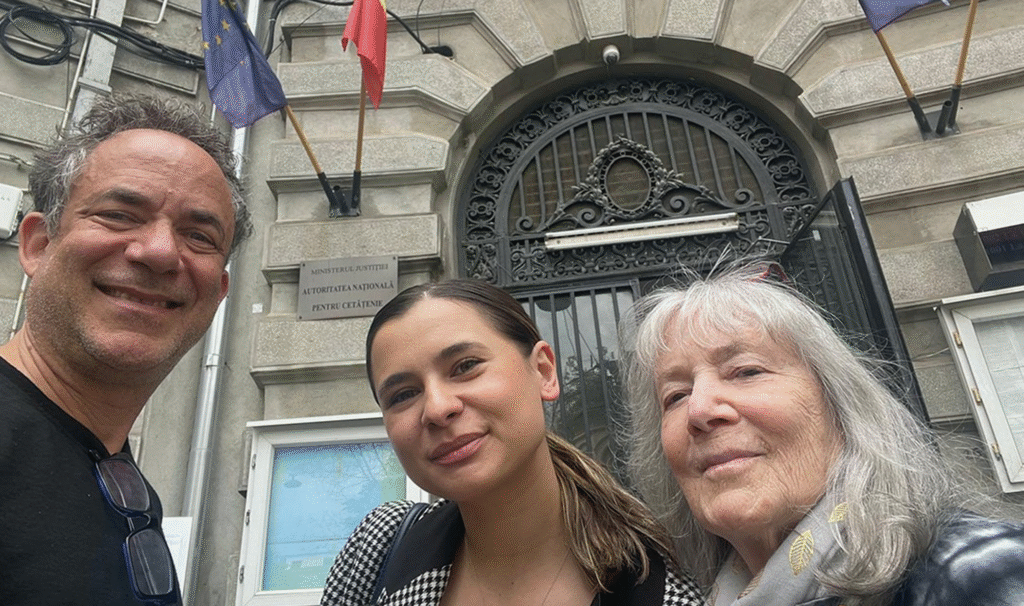
What I love most is how unpredictable it is. Immigration law isn’t clinical or theoretical. It’s dynamic, it’s frustrating, it’s personal — and it’s alive. You have to know the law inside out, but you also have to understand how systems actually behave in real life. And that gap between law on paper and law in practice? That’s where I come in.
Romania’s legal framework, especially around immigration, hasn’t fully kept up with the country’s social and economic development. It’s still catching up to its role as a rising EU destination — for investors, for expats, for families. That means my work is often about navigating bureaucracy, translating between different legal expectations, and building bridges for clients who don’t speak the language or know where to begin.
But more than anything, my job is about listening.
People come to me not just with documents and deadlines — they come with stories. Some want to live closer to their parents. Others are escaping political instability. Some are chasing a better quality of life for their kids. Every client has their own “why.” And part of my job is to make sure that “why” gets protected, heard, and honored — in a system that doesn’t always make that easy.
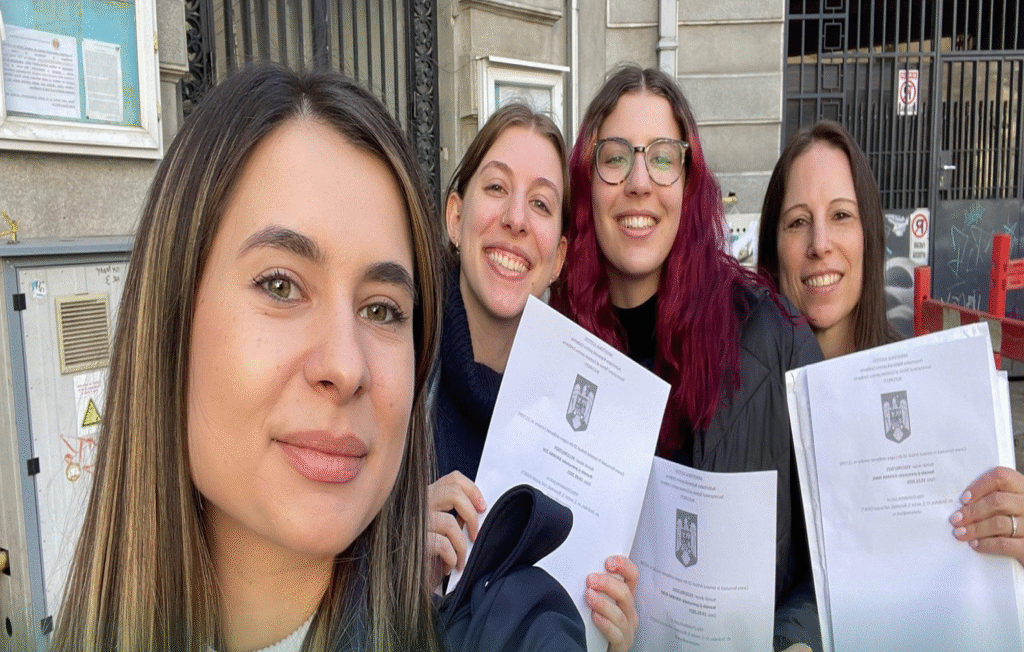
That’s also why I never take a one-size-fits-all approach. I try to understand what each person truly needs, then tailor the legal strategy around them. For example, there are cases where a client could technically apply for citizenship, but they’d be better off starting with residency. Or clients who qualify through descent but don’t know they need to prove specific historical documentation — sometimes from three countries away. My role is to untangle that complexity and create a path that makes sense, both legally and personally.
Clients often tell me that what they appreciate most is clarity. That they can finally “breathe” after our calls. That they feel seen, not just processed. For me, there’s no higher compliment.
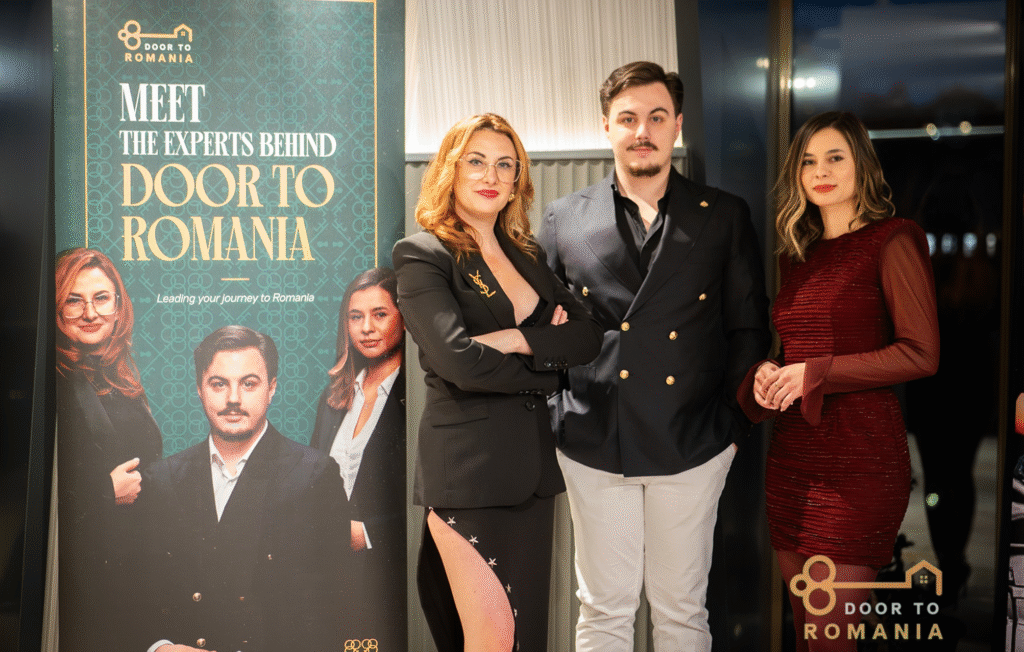
For many of our clients, this is more than a move. It’s a life reset. A second passport, a new future, a connection to heritage. And I treat it with the weight it deserves.
I didn’t become a judge, and I’m glad I didn’t. Because in immigration law, I found something that’s just as principled — and far more personal. I get to practice law not just as a set of rules, but as a form of advocacy, a tool for dignity, and, sometimes, a quiet act of justice.
And that, for me, is enough.